
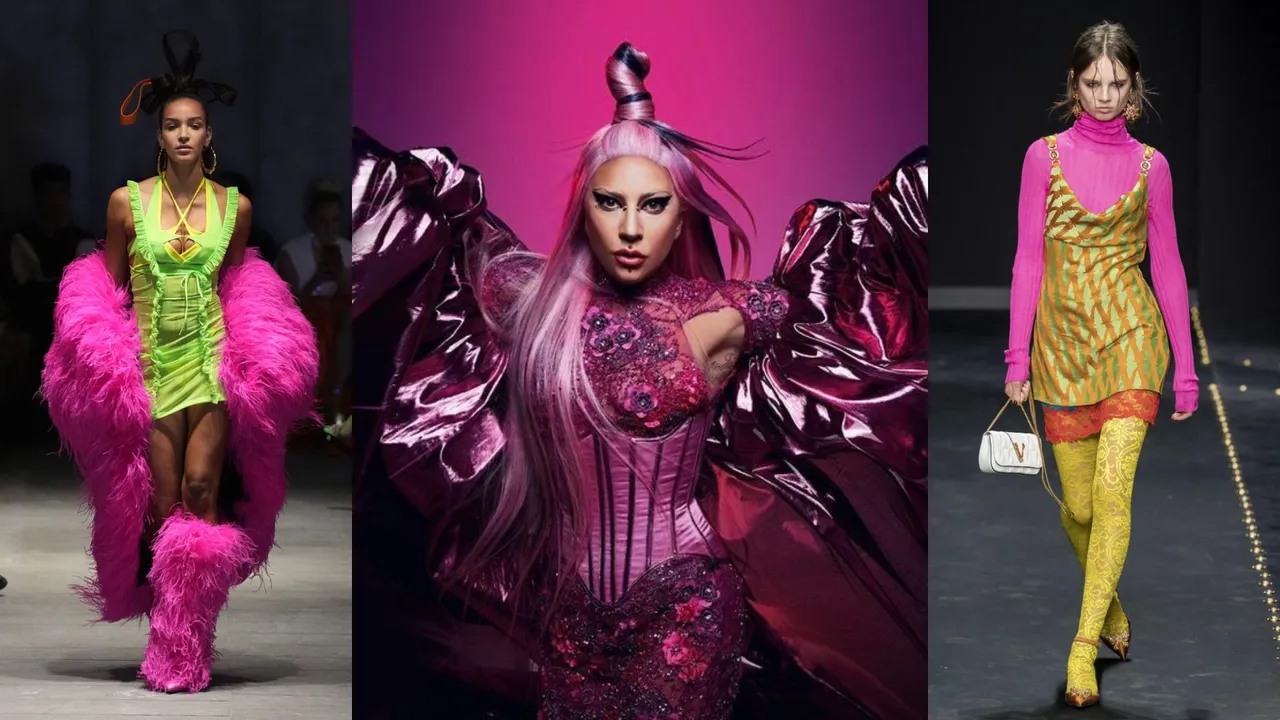
Fashion in 2025 is basking in a radiant, unapologetic celebration of craft maximalism—a movement defined by bold textures, intricate hand-work, and heirloom-level detail that transforms clothing into wearable art. After years of minimalism dominating closets and runways, the pendulum has swung dramatically. Designers and consumers alike are rediscovering the magic of embroidery, beadwork, appliqué, and artisanal techniques that infuse garments with personality and soul. This trend isn’t about quiet refinement; it’s about expressing joy, identity, and artistry through richly layered design.
The resurgence began quietly—a few couture houses championed hand-stitched florals, heritage-inspired motifs, and patchwork silhouettes. But soon, high-street brands began adopting the aesthetic in accessible ways. Today, craft maximalism sits at the forefront of global fashion conversations, from Paris ateliers to Seoul streetwear and Latin American independent labels. It’s a cross-cultural, multi-textural celebration of craftsmanship that refuses to fade into the background.
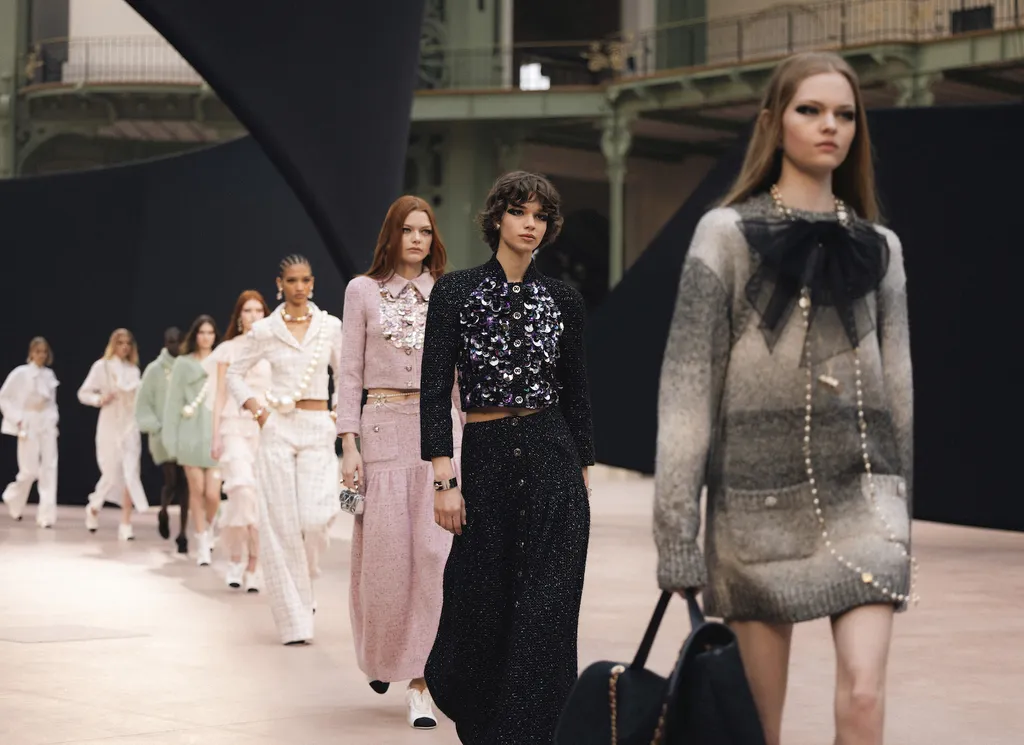
One reason for this surge is a growing desire for authenticity in clothing. In a world of mass production and algorithm-driven shopping, people crave fashion that feels personal, expressive, and human-made. Garments with evident hand-work—visible stitching, hand-dyed gradients, sculpted embellishments—remind wearers that creativity takes time. Each piece carries a sense of story, grounding fashion in the artistry of real people rather than the efficiency of machines.
Another factor driving the movement is the global fascination with revived heritage techniques. Artisans from India, Mexico, Japan, Morocco, and Eastern Europe are becoming central figures in international fashion dialogues. Brands are partnering with craftspeople to blend traditional methods with contemporary silhouettes: think kimono-style jackets adorned with modern metallic beads, traditional handloom techniques used to create futuristic jumpsuits, or embroidered denim that marries folk patterns with street-style sensibility. The result is a breathtaking fusion of old and new—something that feels both nostalgic and forward-thinking.
Social media has amplified this movement with dramatic enthusiasm. Platforms like TikTok and Pinterest are filled with creators showcasing slow-fashion pieces, DIY embroidery tutorials, and thrift flips that transform basic garments into maximalist masterpieces. The hashtag #CraftedByHand has exploded, encouraging a new generation to appreciate the skill behind handmade fashion. Consumers aren’t only buying crafted pieces—they’re participating in the creation process, embellishing their jackets, stitching their bags, and celebrating the beauty of imperfection.
On runways, designers are embracing texture layering as a signature statement. Imagine a structured blazer adorned with velvet appliqué, mirrored accents, and translucent beading. Or voluminous skirts made of mixed fabrics—sheer organza resting over raw silk, hand-cut lace blooming across upcycled cotton. Color palettes are equally bold: radiant jewel tones, sun-soaked corals, deep greens, and shimmering metallics that catch the light at every angle. It’s a visual feast that rejects subtlety in favor of expressive abundance.
Craft maximalism also harmonizes with the rising demand for sustainable luxury. Instead of producing high volumes of fast fashion, many brands are investing in slow-made pieces and small-batch craftsmanship. Upcycling plays a major role—vintage garments are being transformed through hand-stitching, embellishment, and reconstruction. This approach not only reduces waste but restores emotional value in fashion. A dress becomes more than an outfit; it becomes a piece you cherish, repair, and pass down.
Perhaps the most compelling part of this movement is how inclusive and adaptable it is. Craft maximalism invites experimentation—whether you prefer flamboyant statement pieces or subtle hand-detailing woven into minimal silhouettes. For some, it might appear as a simple embroidered collar; for others, a jacket exploding with patches, tassels, and beadwork. There is no single rulebook. Instead, the trend encourages individuality and self-expression in ways fashion hasn’t seen in years.
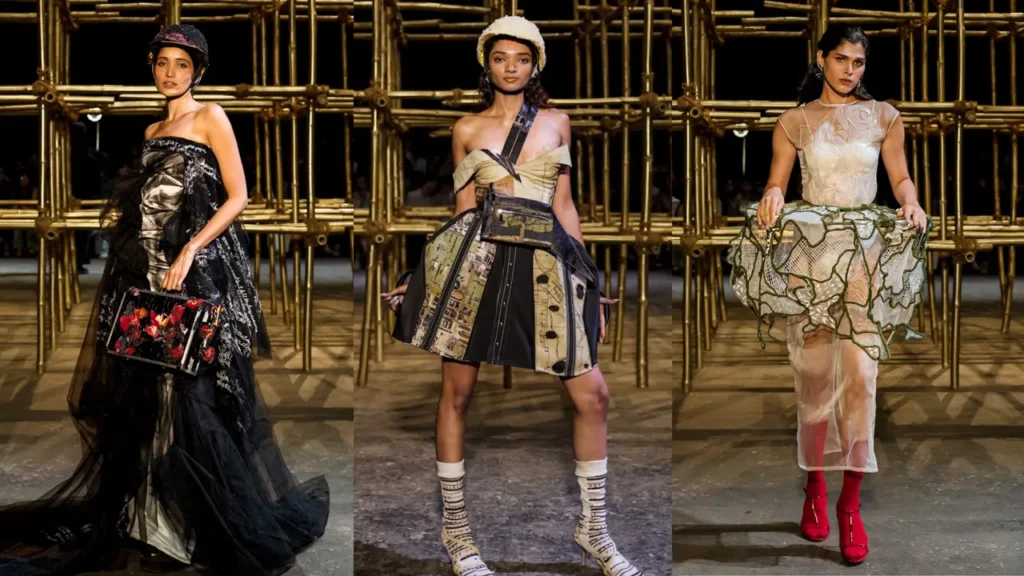
As we move deeper into 2025, craft maximalism shows no signs of slowing down. More brands are debuting collections with artisan collaborations, consumers are investing in long-lasting handmade garments, and fashion lovers everywhere are finding new joy in the detailed beauty of crafted design. This revival is not a temporary aesthetic swing—it’s a cultural reawakening.
Craft maximalism reminds us that fashion can be intimate, storytelling, and deeply expressive. In a time when the world often feels rushed, these handmade details invite us to pause, appreciate, and celebrate artistry in all its richness. And that might be the most beautiful trend of all.