
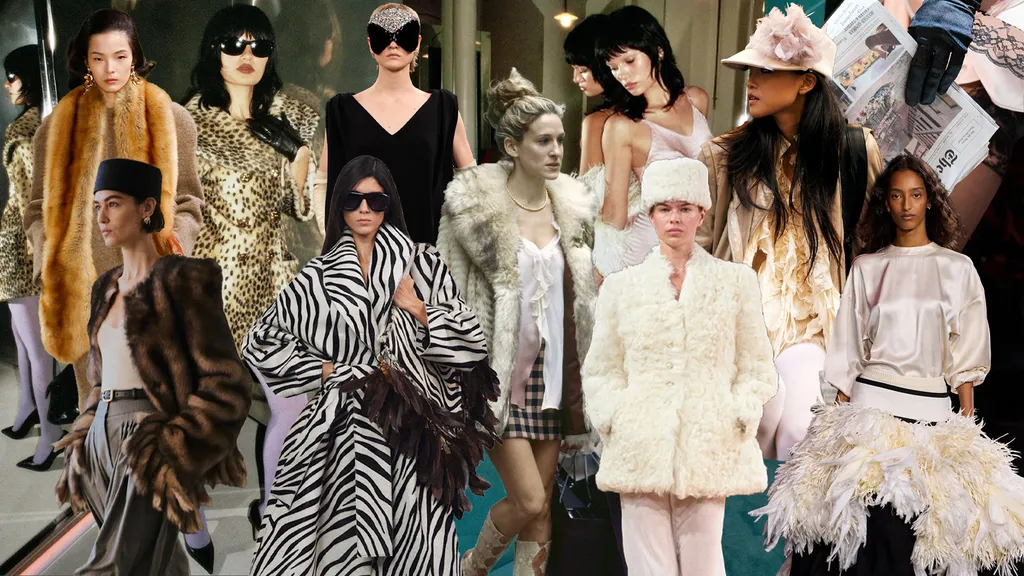
In 2026, style is no longer about standing out loudly—it’s about standing firmly in who you are. Fashion has entered a new era where confidence is communicated through comfort, intention, and authenticity rather than excess or spectacle. This evolving style movement reflects broader cultural changes, blending emotional awareness, practicality, and self-expression into the way people dress every day.
At the center of this movement is a shift toward mindful dressing. People are choosing clothes that align with their values, routines, and personal identities. Instead of chasing fast-changing trends, wardrobes are being built around pieces that feel good, move well, and last longer. Clothing has become a tool for empowerment rather than performance, helping individuals feel grounded and capable in their daily lives.
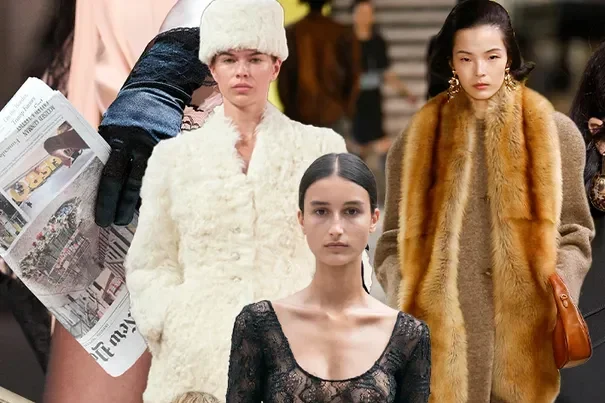
Silhouettes in 2026 are relaxed but refined. Flowing trousers, soft tailoring, oversized shirts, and adaptable layers dominate modern wardrobes. These pieces are designed to flatter a wide range of body types without restricting movement. The emphasis is on ease and balance—outfits that look polished but never uncomfortable. This shift signals a rejection of rigid beauty standards in favor of inclusivity and self-acceptance.
Fabric choice plays a major role in redefining confidence-driven style. Breathable, tactile materials such as linen blends, organic cotton, soft knits, and fluid synthetics are preferred over stiff or synthetic-heavy textiles. The feel of clothing has become just as important as the look. When garments are comfortable against the skin, they support confidence from the inside out.
Color trends in 2026 reflect emotional intelligence and versatility. Earth-inspired neutrals—stone, sand, clay, olive, and warm gray—form the foundation of many wardrobes. These tones create a calming effect and are easy to mix and match. At the same time, subtle pops of expressive color, such as deep teal, muted lavender, or sunset rust, allow for individuality without overwhelming the outfit.
Another defining feature of this style movement is the rise of personal uniform dressing. Many people are curating a signature look that works across multiple settings, from professional spaces to social environments. This approach simplifies daily choices while strengthening personal identity. By repeating silhouettes and colors that feel authentic, individuals build confidence through consistency.
Accessories are becoming more intentional and symbolic. Rather than layering multiple trend-driven pieces, people are choosing fewer, well-crafted items that hold meaning. A structured bag, a timeless watch, or distinctive footwear can anchor an entire outfit. Accessories now act as extensions of personality rather than decorative afterthoughts.
Sustainability is no longer treated as a trend—it’s an expectation. The 2026 style movement prioritizes durability, ethical sourcing, and responsible production. Consumers are asking deeper questions about where their clothes come from and how they are made. This awareness strengthens the emotional connection to clothing, as garments become long-term companions rather than disposable items.
Gender-fluid design continues to gain momentum, further redefining how confidence is expressed through fashion. Boundaries between menswear and womenswear are softening, allowing individuals to choose shapes and styles that resonate personally. This freedom encourages experimentation and self-expression without labels, reinforcing confidence rooted in authenticity.
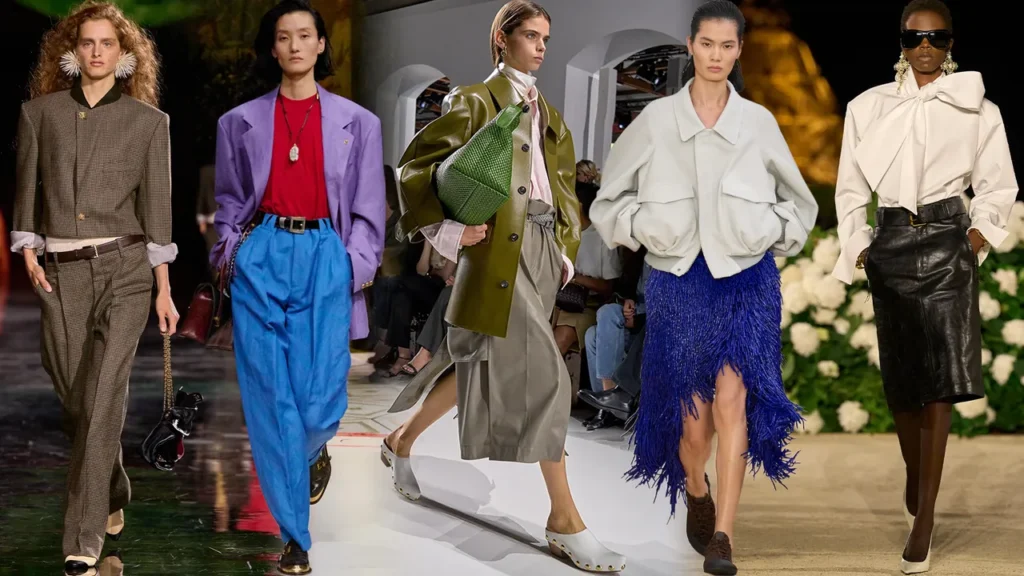
Digital culture also influences how style is perceived and shared. Social platforms highlight real people styling outfits in everyday situations, making fashion feel more approachable and relatable. Confidence today is not curated perfection—it’s real, wearable, and personal. This visibility empowers others to dress for themselves rather than external approval.
Ultimately, the 2026 style movement is about alignment. When clothing supports comfort, values, and self-expression, confidence follows naturally. Fashion is no longer about impressing the world—it’s about feeling at home in your own skin. And that, more than any trend, is what truly defines style today.