
Fashion in 2030 will look less like a constantly changing runway and more like a thoughtfully curated system. As lifestyles, technology, and values continue to shift, the future wardrobe is being shaped by practicality, sustainability, and personal expression rather than short-lived trends. What people wear will reflect how they live, work, and move through the world—comfortably, consciously, and confidently.
One of the most noticeable changes in the 2030 wardrobe will be fewer but better pieces. Fast fashion’s rapid cycle is already slowing as consumers become more aware of waste and environmental impact. By 2030, wardrobes will be built around high-quality essentials designed to last for years. Timeless silhouettes, durable fabrics, and versatile designs will replace trend-heavy items that fall out of favor quickly. Clothing will be chosen for longevity, not novelty.
Sustainability will be central, not optional. Natural and recycled materials will dominate everyday fashion, with innovation making eco-friendly fabrics softer, stronger, and more accessible. Garments made from regenerative fibers, plant-based alternatives, and circular textiles will become standard. Labels will focus on transparency, allowing consumers to understand how and where their clothing was made. Owning fewer pieces will feel more responsible—and more stylish.
Comfort will continue to redefine style. The boundary between formal and casual wear will blur even further, giving rise to clothing that adapts to multiple settings. Soft tailoring, flexible fabrics, and relaxed fits will dominate wardrobes, allowing people to move easily throughout the day. Office attire, travel outfits, and social wear will overlap, reflecting hybrid lifestyles that no longer fit into rigid dress codes.
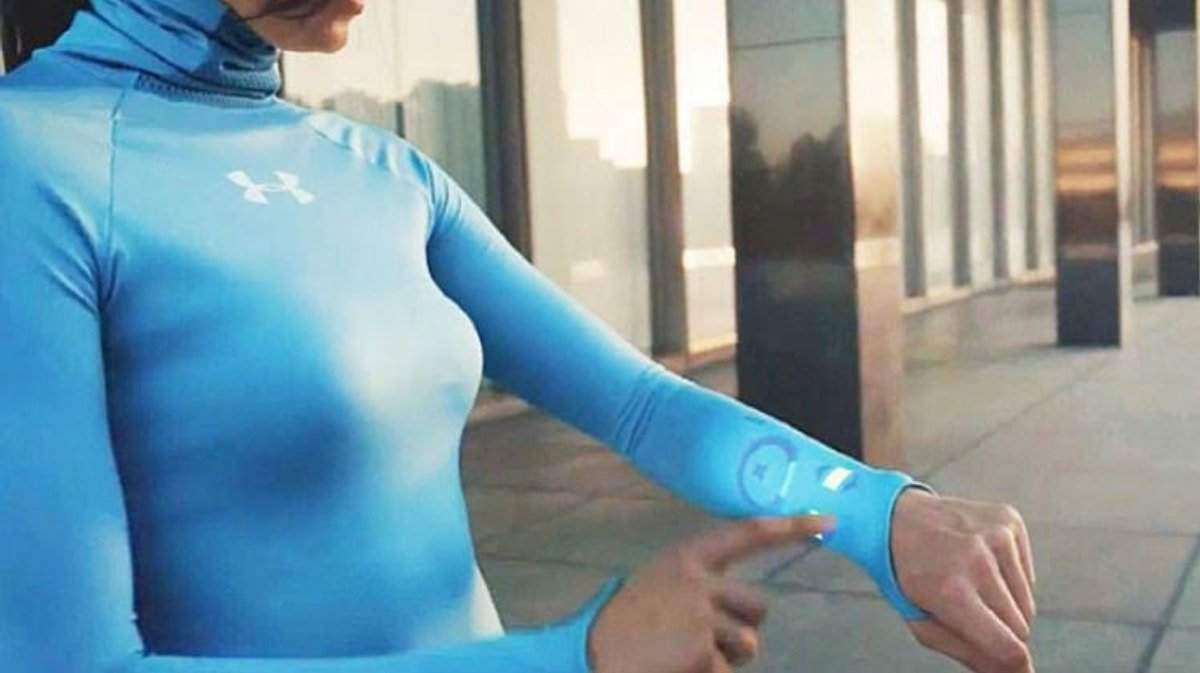
Technology will quietly integrate into clothing rather than dominate it. Smart fabrics that regulate temperature, resist odors, or adapt to climate conditions will become more common. Instead of flashy tech features, the focus will be on subtle enhancements that improve daily comfort and functionality. Clothing will work with the body, responding to movement and environment without sacrificing aesthetics.
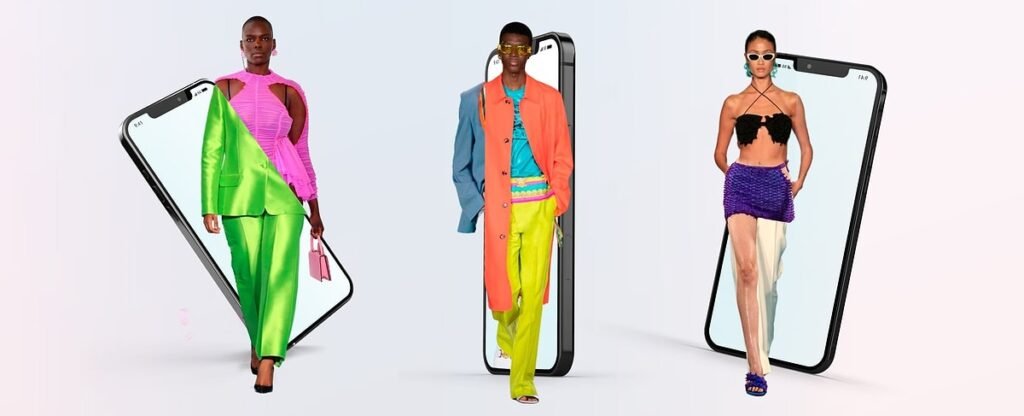
Personalization will define fashion in 2030. Rather than following one-size-fits-all trends, people will curate wardrobes that reflect their identities. Custom fits, made-to-order pieces, and modular clothing will allow individuals to adjust garments over time. Digital tools may help visualize outfits, track wear frequency, or suggest new combinations using existing clothes, encouraging mindful consumption.
Color palettes will likely become more intentional. While bold colors will still exist, many wardrobes will lean toward adaptable shades that mix easily. Neutrals, earth tones, and softened hues will dominate, offering flexibility and calm. These palettes will support the idea of interchangeable dressing, where fewer items create more outfit possibilities.
Secondhand and reworked clothing will play a major role in future wardrobes. Thrifted, repaired, and upcycled garments will be valued for their uniqueness and reduced environmental footprint. Wearing pre-loved clothing will no longer feel alternative—it will be mainstream. Stories behind garments will add emotional value, making fashion more meaningful.
Accessories will shift toward function and versatility. Footwear designed for all-day wear, bags with adaptable storage, and pieces that transition between occasions will replace overly specialized items. The goal will be simplicity without sacrificing style.
Ultimately, the future wardrobe of 2030 will be less about keeping up and more about choosing well. It will reflect a balance between technology and tradition, style and responsibility, individuality and practicality. Fashion will no longer ask, “What’s new?” but instead, “What works, lasts, and truly represents who you are?”