
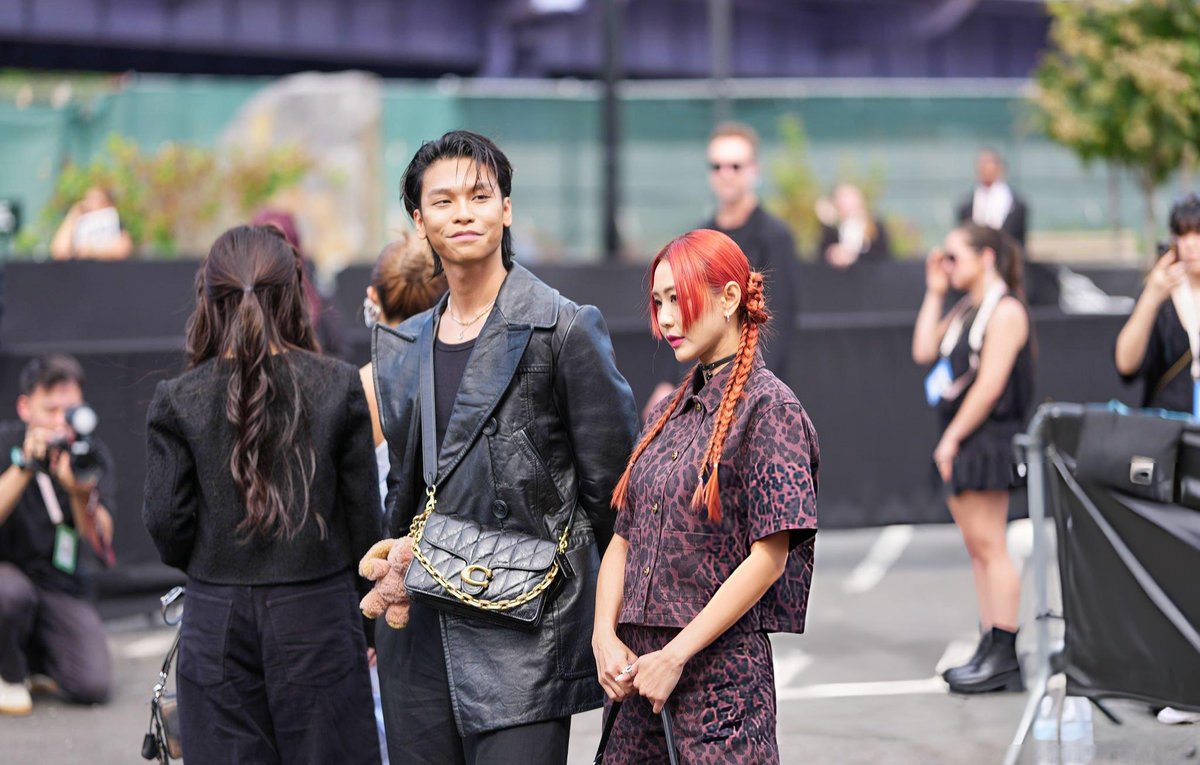
Street style has become one of the most influential forces in modern fashion. Once inspired mainly by runway shows, fashion trends today are increasingly driven by what people wear in their daily lives. From city streets to social media feeds, street style reflects individuality, creativity, and cultural influence, making it a powerful expression of contemporary fashion.
At the heart of street style is self-expression. Unlike traditional fashion rules, street fashion thrives on mixing styles, eras, and influences. People combine high-end pieces with affordable basics, vintage finds with modern staples, and bold colors with neutral tones. This freedom allows individuals to create unique looks that feel personal rather than trend-driven.
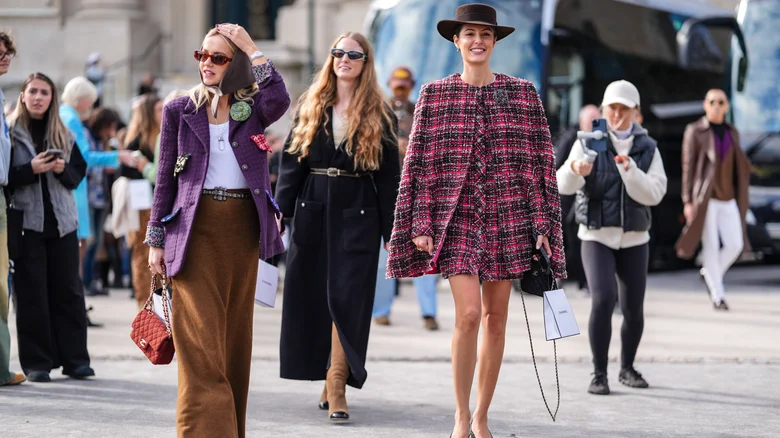
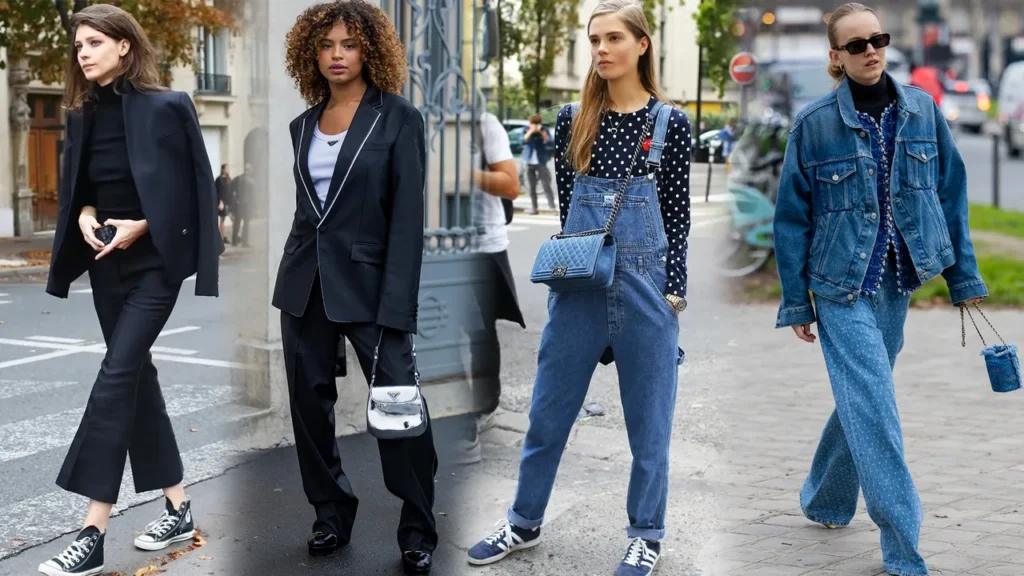
One of the most noticeable street style trends is the rise of oversized silhouettes. Baggy jeans, relaxed blazers, oversized hoodies, and loose shirts dominate everyday fashion. These pieces offer comfort while creating an effortlessly cool aesthetic. Often paired with fitted tops or structured accessories, oversized clothing balances ease with intention.
Sneakers continue to be a cornerstone of street style fashion. Once limited to athletic wear, sneakers are now styled with dresses, suits, and casual outfits alike. Clean white sneakers, chunky soles, and retro-inspired designs are especially popular. This trend reflects a broader shift toward functional fashion that supports movement and comfort without sacrificing style.
Layering plays a key role in street fashion, allowing for versatility and creativity. Lightweight jackets, flannel shirts, vests, and scarves are layered to create dimension and adaptability across seasons. Layering also makes it easy to transition outfits from day to night while adding personality to simple looks.
Street style is also heavily influenced by global cultures and subcultures. Elements from hip-hop, skate culture, vintage fashion, and traditional wear are often reinterpreted in modern ways. Graphics, logos, and bold prints frequently appear in street outfits, reflecting music, art, and social movements. This cultural blending gives street fashion its dynamic and ever-evolving character.
Accessories are essential in elevating street style looks. Statement sunglasses, crossbody bags, caps, belts, and chunky jewelry add attitude and individuality. Even small details, like socks or hair accessories, are styled intentionally. These elements turn everyday outfits into carefully curated expressions of personality.
Sustainability is also influencing street fashion. Thrifted clothing, upcycled pieces, and secondhand shopping are becoming mainstream within street style communities. Mixing pre-loved items with new pieces not only reduces waste but also creates unique looks that can’t be replicated. This approach aligns with the growing emphasis on conscious fashion choices.
Social media has amplified the impact of street style on a global scale. Fashion enthusiasts share outfits, styling tips, and daily looks online, inspiring trends across borders. This digital exposure has democratized fashion, allowing anyone with creativity and confidence to influence style trends regardless of background or location.
Street style fashion also emphasizes confidence over perfection. Outfits don’t need to be flawless or expensive—they need to feel authentic. This mindset encourages experimentation and reduces the pressure to constantly follow trends. It celebrates individuality and the courage to dress differently.
Ultimately, street style represents the future of fashion—one that values creativity, comfort, and cultural expression. By turning everyday clothing into a form of art, street fashion proves that style doesn’t start on the runway. It starts on the streets, shaped by real people, real lives, and real stories.